Chesterfield pub and brewery historian John Hirst’s new book on the Chesterfield Brewery Company, includes some Brimington, Tapton and Hollingwood references.
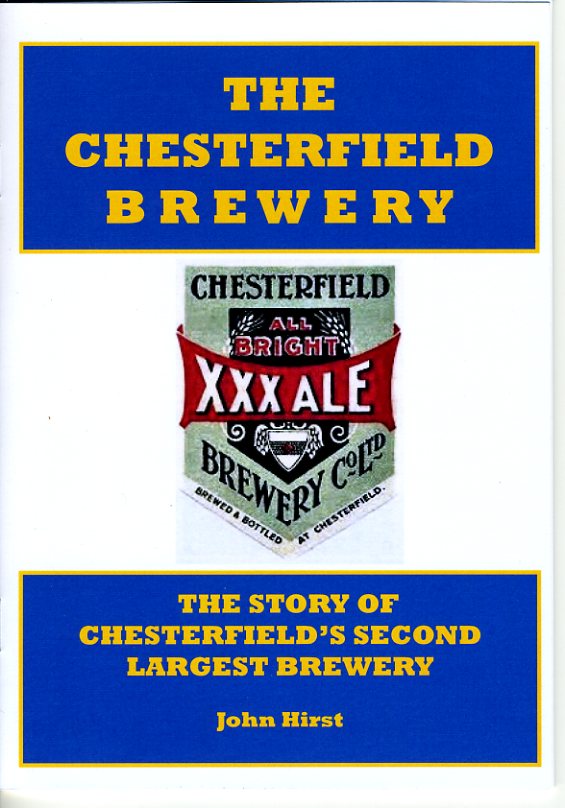
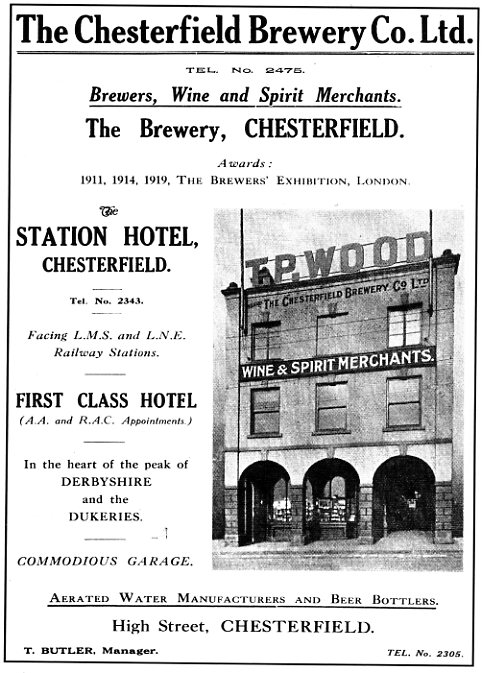
John’s new 28-page book ‘Chesterfield Brewery – the story of Chesterfield’s second largest brewery’ – chronicles its rise and fall. Also included is information on some of the directors, including the Mills (of Tapton Grove) and Burkitt families. There’s a map showing the brewery’s tied houses, a plan of the premises and a list of the brewery’s pubs, together with over 25 illustrations.
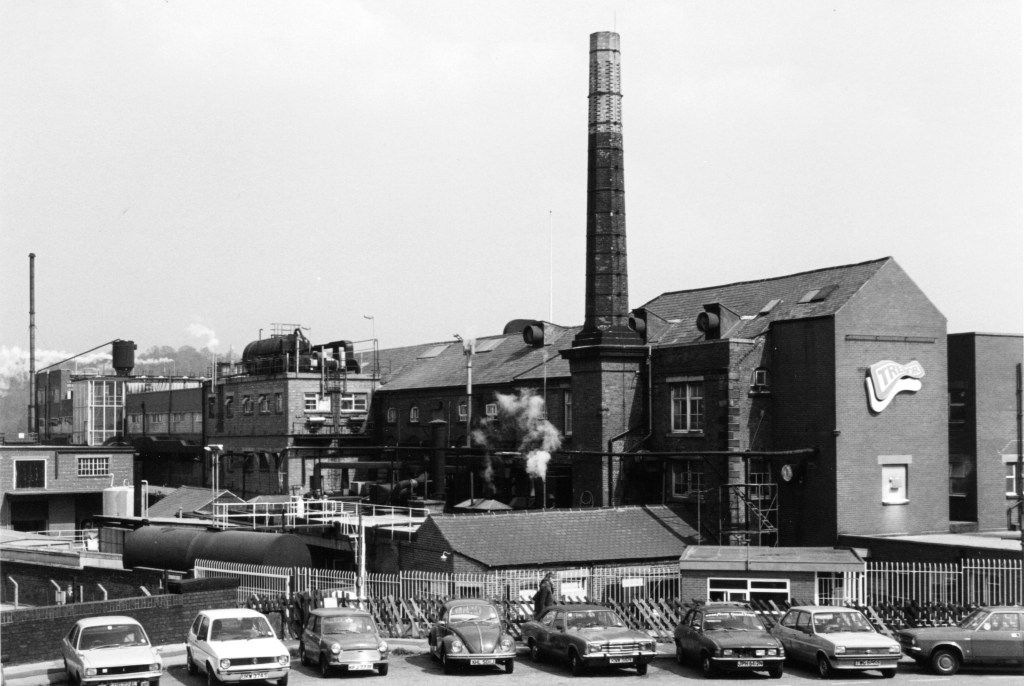
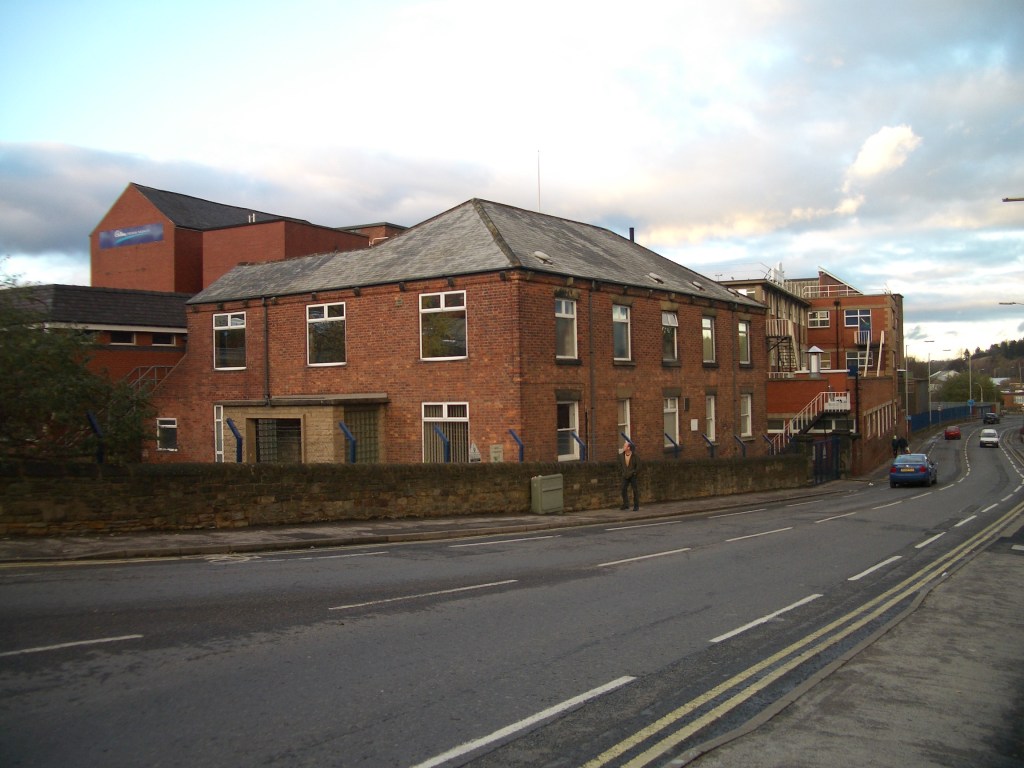
The brewery, which opened in 1854, occupied a site at the junction of Brimington Road, Brewery Street and Infirmary Road. So, it’s just outside our river Rother boundary between Tapton and Chesterfield. The Trebor factory occupied the site until recent years, incorporating some of the brewery buildings. It’s now part of the Waterside development, with new offices currently under construction on part of the site.
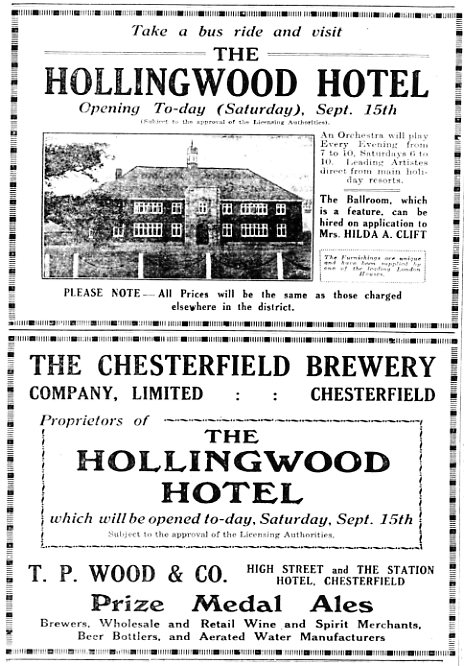
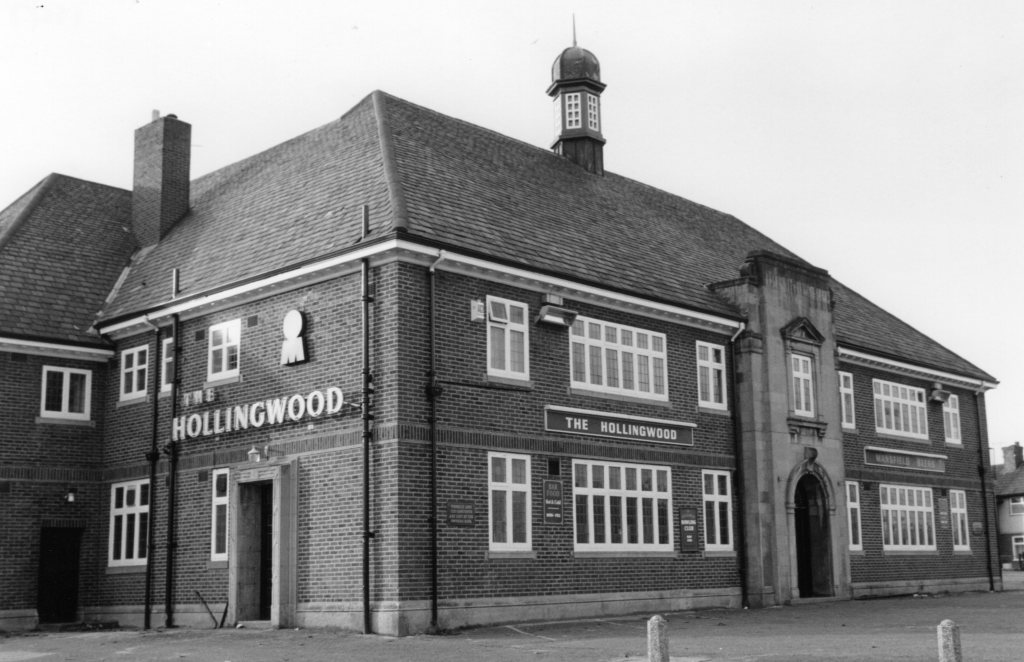
John charts how the brewery company acquired the wine, spirit and mineral water business of TP Wood, High Street, Chesterfield (and producer of a locally famous almanac) in 1911. But the end of the 1920s and into the early 1930s saw a decline in the company. This was despite 1920s investment in some grandiose public house schemes. These included the Hollingwood Hotel, Poolsbrook Hotel, Spital Hotel and the Gardeners Arms (all Chesterfield area) and the White Post at Farnsfield.
In 1934 the Mansfield Brewery Company took over the Chesterfield brewery and promptly closed it down in January of the following year.
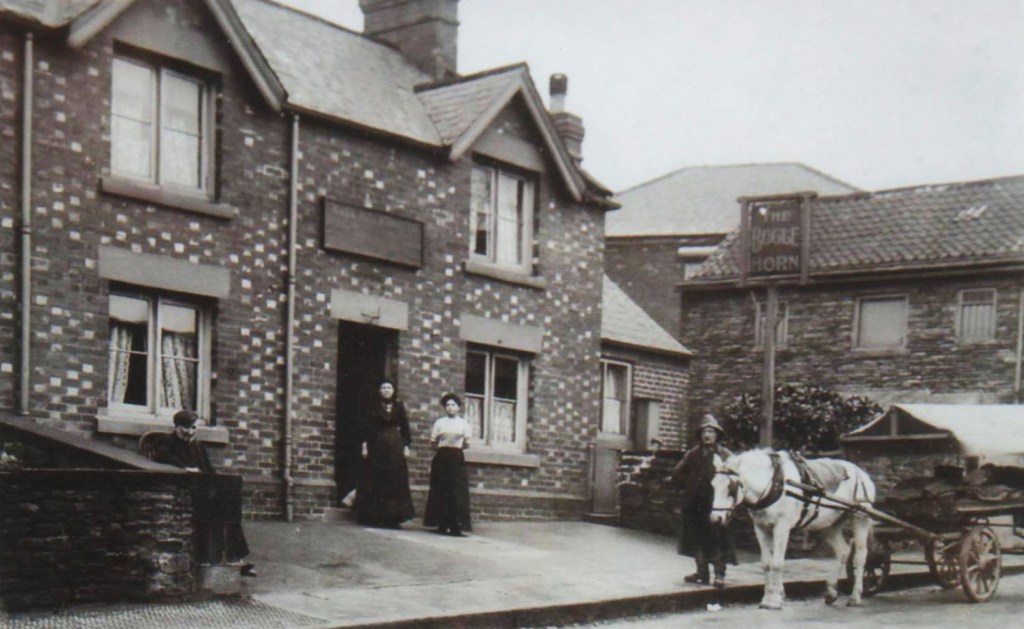
Brimington tied houses at the time of the Mansfield take-over were the Three Horse Shoes, Red Lion Inn and Miners Arms. A pub closed before the take-over was the Bugle Horn, Hall Road (which is illustrated below). This was closed in 1924 – the licence transferred to the Hollingwood Hotel (a fate shared with the former Mounders Arms at Hollingwood).
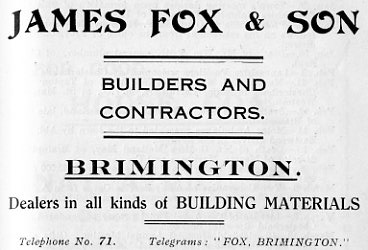
The Brimington joinery, wheelwright and building company James Fox had a close relationship with the Chesterfield Brewery Company for some years Two account books of the Fox concern survive in the Derbyshire Record Office.
You can read more of the brewery company’s story in John’s book, which is available by emailing him at j-hirst@sky.com. The cost is a very reasonable £4 plus postage. The book is also available from Chesterfield tourist information centre and the Chesterfield museum.
By-the-way, if you’re a bit puzzled about what was Chesterfield’s largest brewery, this was the Brampton Brewery, situated at the bottom of Chatsworth road on a site now occupied by Matalan. The third largest (of the three) was the Scarsdale Brewery Company, with premises on Spa Lane and St Mary’s Gate.
This blog was revised on 27 August 2021 to correct the date TP Wood’s business was acquired by the Chesterfield Brewery Company (in 1911 not the previously stated 1921).
 Brimington and Tapton Local History Group
Can anyone tell me who was the landlord of the Bugal Horn in Brimington 1920s.
LikeLike
According to Kelly’s Directory of Derbyshire oin 1912 it was William H Watson. In the 1922 edition it was Thomas Buck. IN 1925 it was still Thomas Buck. In the 1928 edition it was Mrs Constance A Lunn. The pub closed in that year.
LikeLike
There is a picture of the Bugle Horn showing a Silver Jubilee banner but this is probably King George V in 1935 so what is the explanation.
LikeLike
The picture is part of my family collection and at the time of the photo the house was rented from the brewery by my grandfather Samuel Hallam who was a painter and decorator. Various family members lived in the house and my father moved back later in life. I was brought up in the house from a baby to the age of 11 and remember the row of houses next to the house being demolished. The brewery sold the house to the council in 1961 with a view to demolishing it at which time we had to move out. A council house was not an option as my father couldn’t operate his painting and decorating business from council property so we moved to Grove Road Brimington Common.
LikeLike
Many thanks for this additional information – sorry for the late reply. Presumably the house (i.e. the former Bugle Horn) had been demolished around 1961? I am sure many local people still remember your father’s business.
LikeLike